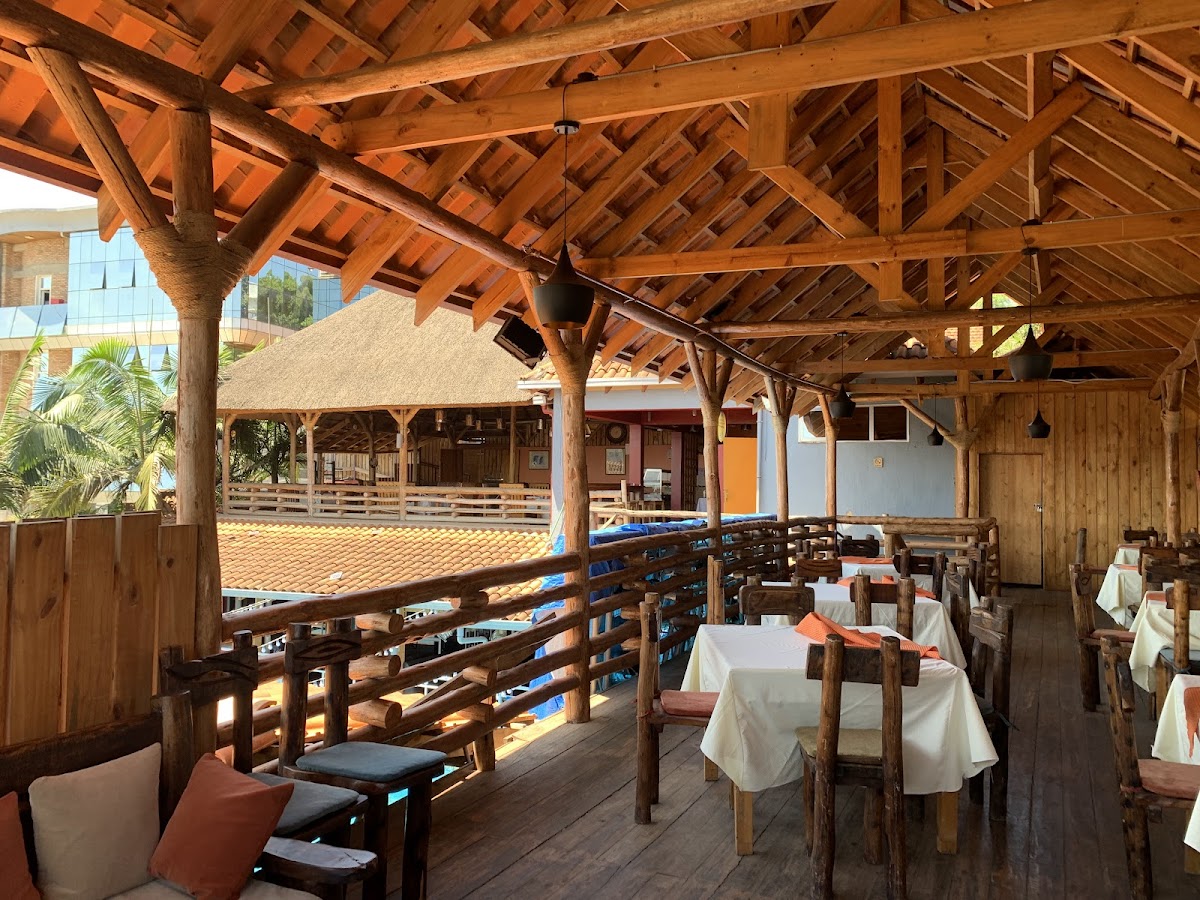
This place is a hidden gem. It may not look like much from the outside, but the inside tells a different story. We loved everything about it. There’s a live band playing great music, a beautiful view of the city, and a cozy atmosphere. The food was outstanding—the salad was perfect, and the Indian dishes were simply the best. The service was top-tier and incredibly fast. This place deserves a lot of recognition. Well done!
Overview
Walking into Cocobean on KG 5 Ave, A, Rwanda feels less like entering a restaurant and more like being welcomed into a familiar neighborhood hangout where food is taken seriously but not stiffly. I’ve eaten here several times over the past year, sometimes grabbing a quick breakfast before meetings and other times lingering over lunch, and the consistency has been the real standout. The space is relaxed, with a diner-style layout that encourages conversation, laptops on tables, and servers who remember faces even when the place is busy.
The menu balances comfort food with thoughtful twists, which is harder to pull off than it sounds. On my first visit, I ordered what the staff casually called house breakfast favorite, a plate that combined eggs done exactly as requested, well-seasoned potatoes, and toast that didn’t feel like an afterthought. Since then, I’ve worked my way through pancakes, wraps, and several lunch options, and the kitchen seems to follow a clear process: simple ingredients, prepared fresh, and plated without overcomplication. This kind of approach aligns with what culinary professionals often recommend. According to research shared by the World Association of Chefs’ Societies, diners consistently rate freshness and consistency above novelty, and Cocobean clearly leans into that principle.
Coffee is a serious matter here, which makes sense given Rwanda’s reputation for high-quality beans. The baristas don’t rush the process, and you can taste the difference. I once chatted with one of them about sourcing, and he explained how Rwandan coffee regions like Gakenke and Huye influence flavor profiles. That attention to detail shows in every cup, whether you’re ordering a simple black coffee or something milk-based. For a place that functions as both a diner and a café, that level of care builds trust quickly.
Location matters too. Being set along KG 5 Ave makes Cocobean easy to reach from different parts of Kigali, especially for professionals working nearby. I’ve noticed a mix of locals, expats, and travelers stopping in, which mirrors broader trends in Rwanda’s food scene. The Rwanda Development Board has noted steady growth in urban dining as tourism and business travel increase, and places like this benefit from that diversity of expectations. What’s impressive is how the restaurant manages to appeal to all of them without losing its identity.
Reviews online often mention friendly service, and that hasn’t changed from my own experience. During one particularly busy lunch hour, an order mix-up happened at a neighboring table. Instead of brushing it off, the server apologized, fixed it immediately, and added a small extra without being asked. That kind of response reflects good service training and an understanding that trust is built in moments like that, not just through food.
There are a few limitations worth noting. The menu isn’t huge, so if you’re looking for an extensive dinner selection or fine dining experimentation, this may not be the place. However, that smaller scope seems intentional. By focusing on breakfast, brunch, and lunch staples, Cocobean avoids the common trap of doing too much and ending up inconsistent. From a professional standpoint, many restaurant consultants, including those cited by the National Restaurant Association, argue that tighter menus often lead to better quality control, something clearly reflected here.
Overall, the experience feels genuine. The food, the coffee, the location, and the steady stream of positive reviews all point to a diner that understands its role in the community. Cocobean doesn’t try to impress with hype; instead, it earns loyalty by showing up the same way every day, serving food people actually want to come back for.
Good to know
Service options
✓ Outdoor seating ✓ No-contact delivery ✓ Delivery ✓ Takeaway ✓ Dine-inHighlights
✓ Great beer selection ✓ Great cocktails ✓ Great coffee ✓ Great dessert ✓ Great tea selection ✓ Great wine list ✓ Live musicPopular for
✓ Breakfast ✓ Dinner ✓ Solo diningAccessibility
✓ Wheelchair-accessible car park ✓ Wheelchair-accessible entrance ✓ Wheelchair-accessible seating ✓ Wheelchair-accessible toiletOfferings
✓ Alcohol ✓ All you can eat ✓ Beer ✓ Cocktails ✓ Coffee ✓ Halal food ✓ Happy-hour drinks ✓ Happy-hour food ✓ Late-night food ✓ Quick bite ✓ Small plates ✓ Spirits ✓ Vegan options ✓ Vegetarian options ✓ WineDining options
✓ Breakfast ✓ Brunch ✓ Lunch ✓ Dinner ✓ Catering ✓ Dessert ✓ Seating ✓ Table serviceAmenities
✓ Bar on site ✓ ToiletAtmosphere
✓ Casual ✓ Cosy ✓ Romantic ✓ Trendy ✓ UpmarketCrowd
✓ Groups ✓ Tourists ✓ University studentsPlanning
✓ Lunch reservations recommended ✓ Accepts reservations ✓ Usually a waitPayments
✓ Credit cards ✓ Debit cards ✓ NFC mobile paymentsChildren
✓ High chairsParking
✓ Free of charge street parking ✓ Free parking lot ✓ ParkingPhotos
1 / 4
Location
Reviews
- No ratings yet 645 reviews
The food and service were good. And the manager Amandine was very helpful.
Absolutely awesome experience in Kigali! I was completely surprised with the pool smack in the center of the space!! Great vibes…great food and absolute must experience space! Smelled like a club straight from the nineties because people smoked inside which is likely the one down side of the space
We had a great experience here. I would recommend this place. The waiter that we had made us feel very welcome and everything else about the place was nice.
The ambiance of this restaurant and bar is simply unmatched. The atmosphere is warm and inviting, making it an ideal spot to relax and unwind. The acapella performances are a true highlight, showcasing exceptional talent and creating a unique, soulful vibe. Combined with the stunning decor and overall beautiful setting, this place delivers an unforgettable experience. Highly recommended!